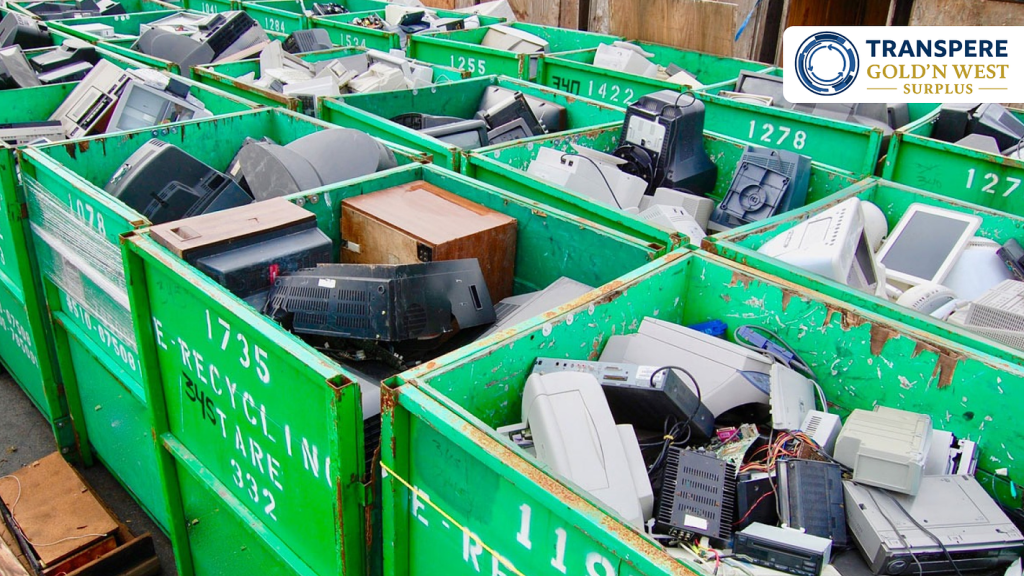
Technology changes fast. One day, a laptop, phone, or server is essential to daily operations, and the next, it becomes outdated electronic waste. In California, millions of pounds of electronic devices are discarded every year, creating a growing need for responsible recycling solutions. But many businesses and households still ask the same question: what actually happens after electronics are dropped off for recycling?
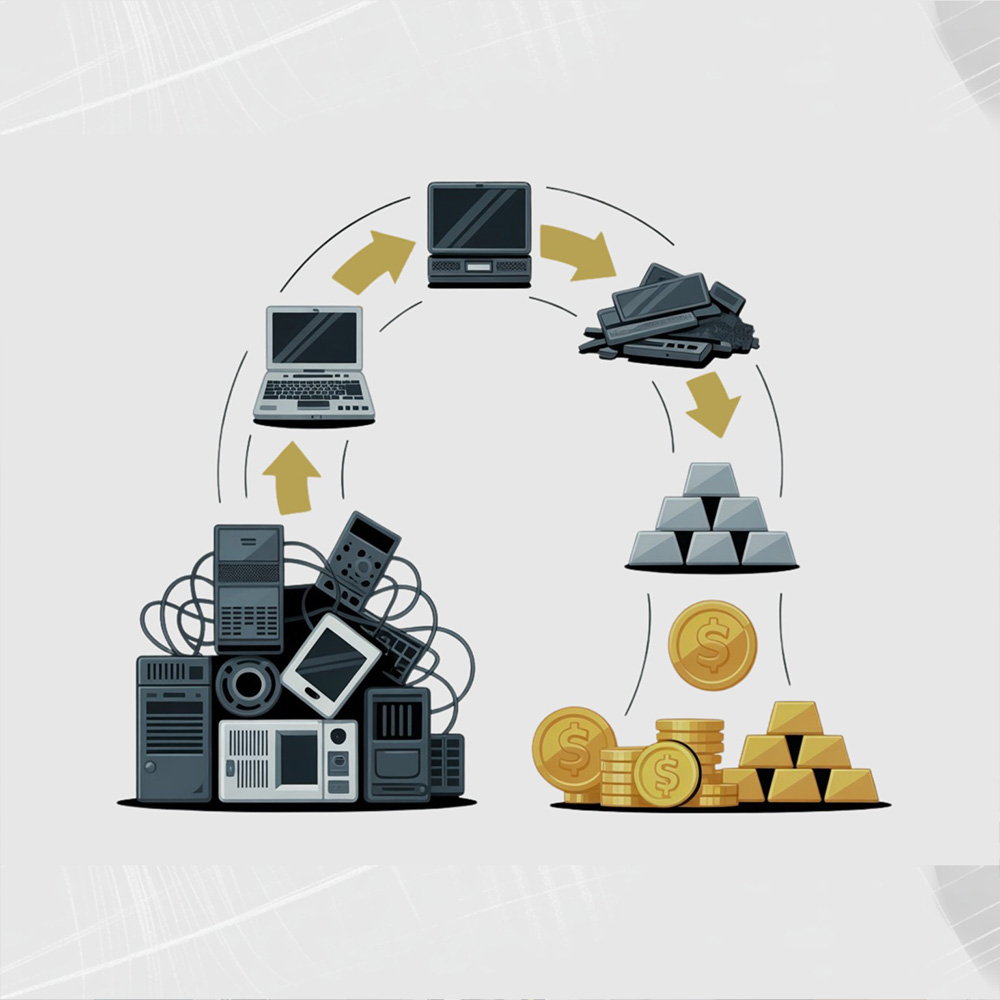
The truth is that professional e-waste recycling processes in California facilities follow a detailed, regulated, and highly organized system. Electronics are not simply dumped into landfills or melted down randomly. Every item goes through multiple stages, including collection, sorting, data destruction, dismantling, material recovery, and environmental processing.
Understanding how e-waste is recycled helps businesses and consumers make informed decisions about secure disposal while protecting the environment and recovering valuable materials.
In this guide, we will walk through the complete electronics recycling steps and explain the entire material recovery process from start to finish.
Why E-Waste Recycling Matters in California
California has some of the strictest environmental regulations in the United States. Improper disposal of electronic devices can release toxic materials such as lead, mercury, cadmium, and lithium into the environment.
At the same time, old electronics contain valuable recoverable resources, including:
- Copper
- Gold
- Silver
- Aluminum
- Palladium
- Steel
- Rare earth metals
Professional recycling ensures these materials are safely recovered rather than wasted. It also prevents sensitive business data from falling into the wrong hands.
The modern e-waste lifecycle is designed to reduce landfill waste, conserve resources, and support a circular economy where materials are reused rather than continuously mined.
Step 1: Collection and Transportation
The first stage in the e-waste recycling in California begins with collection.
Businesses, schools, government agencies, medical facilities, and residents gather obsolete electronics for pickup or drop-off. Common items include:
- Computers
- Servers
- Hard drives
- Monitors
- Laptops
- Networking equipment
- Phones
- Printers
- Circuit boards
Professional recyclers use secure transportation methods to move electronics safely to processing facilities. For business clients, chain-of-custody procedures are often used to document the movement of sensitive devices.
This stage is especially important for organizations handling confidential data, as improper transport can create security risks before destruction even begins.
Step 2: Initial Inspection and Sorting
Once electronics arrive at the recycling facility, trained technicians inspect and sort them.
Not all devices follow the same recycling path. Some equipment may still have reuse value, while other items are damaged beyond repair and require dismantling.
During sorting, items are separated into categories such as:
- Reusable electronics
- Data-containing devices
- Batteries
- Scrap metal
- Plastic materials
- Hazardous components
Proper sorting improves efficiency throughout the material recovery process and helps maximize the reuse of resources.
Facilities in California must also comply with environmental regulations regarding hazardous waste handling and storage.
Step 3: Secure Data Destruction
One of the most critical stages in modern electronics recycling is data destruction.
Many devices still contain sensitive information even after files appear deleted. Hard drives, SSDs, phones, and servers can retain confidential business records, financial information, customer data, and employee records.
Professional recyclers use several secure destruction methods, including:
Physical Hard Drive Shredding
Hard drives are mechanically destroyed into small fragments that cannot be reconstructed.
Data Wiping
Certified software overwrites stored data multiple times to permanently erase information.
Degaussing
Magnetic media is exposed to powerful magnetic fields that destroy stored data.
For businesses in California, secure destruction is often required to comply with privacy and data protection regulations.
Step 4: Manual Dismantling of Electronics
After secure processing, the electronics are moved to dismantling stations.
This is where workers manually disassemble devices into separate components. Skilled technicians remove:
- Circuit boards
- Wiring
- Plastic casings
- Batteries
- Metal frames
- Screens
- Cooling systems
- Memory components
Manual dismantling is important because different materials require different recycling methods.
For example:
- Batteries require specialized hazardous waste processing.
- Circuit boards may contain precious metals.
- Plastics must be separated by type.
- Screens often contain regulated materials.
This phase plays a major role in improving recovery efficiency and reducing environmental contamination.
Step 5: Mechanical Shredding and Separation
After dismantling, the remaining materials are processed using industrial shredding systems.
Large machines break electronics into smaller fragments that can be separated through advanced sorting technologies.
The separation stage may involve:
Magnetic Separation
Magnetic fields attract ferrous metals such as steel and iron.
Eddy Current Separation
Non-ferrous metals, such as aluminum, are separated using electromagnetic systems.
Optical Sorting
Sensors identify different plastic types and materials.
Density Separation
Materials are separated based on weight and density.
This stage is one of the most technical steps in the electronics recycling process because accurate separation directly affects recovery value and recycling quality.
Step 6: Precious Metal Recovery
Many electronic devices contain valuable metals in small quantities.
Circuit boards, processors, connectors, and memory components often include:
- Gold
- Silver
- Palladium
- Copper
Specialized downstream processors refine these materials through controlled recovery systems.
Precious metal recovery helps reduce the need for new mining operations while supporting sustainable manufacturing.
This is one reason the e-waste lifecycle has become increasingly important in modern environmental management.
Step 7: Plastic Recycling and Refinement
Electronic plastics cannot simply be thrown into standard recycling streams.
Many devices contain mixed plastics, flame retardants, or specialized industrial materials that require advanced processing.
After separation, plastics are:
- Cleaned
- Ground into smaller pieces
- Melted and refined
- Converted into reusable raw materials
These materials can later be used to manufacture new products, including electronics, automotive parts, and industrial equipment.
Step 8: Battery and Hazardous Material Handling
Batteries are one of the most sensitive components in electronics recycling.
Lithium-ion batteries can pose a fire hazard if damaged or improperly stored. Older electronics may also contain hazardous substances requiring special treatment.
California recyclers follow strict procedures for:
- Battery isolation
- Fire prevention
- Hazardous waste containment
- Safe chemical handling
- Regulatory disposal requirements
Proper management helps prevent environmental contamination and workplace safety incidents.
Step 9: Reuse and Refurbishment Opportunities
Not every electronic device is destroyed.
Some equipment still has operational value and may be refurbished for reuse. This extends product lifespan and reduces unnecessary waste.
Reusable electronics may undergo:
- Hardware testing
- Cleaning
- Component replacement
- Software installation
- Quality inspection
Refurbishment supports sustainability because reuse is often more environmentally friendly than manufacturing new products.
Step 10: Final Commodity Distribution
Once materials are processed and refined, recovered commodities are shipped to manufacturers and industrial buyers.
Recovered materials may be used to produce:
- New electronics
- Construction materials
- Automotive components
- Industrial products
- Packaging materials
This closes the recycling loop and supports the circular economy.
Instead of sitting in landfills, recovered materials re-enter global manufacturing systems.
Common Materials Recovered During E-Waste Recycling
The modern material recovery process is designed to recover as many usable resources as possible.
Here are some commonly recovered materials:
Material Common Source Reuse Purpose
Copper Wiring & circuit boards Electrical manufacturing
Aluminum Frames & casings Automotive & packaging
Gold Connectors & chips Electronics manufacturing
Steel Structural components Industrial production
Plastics Device housings Consumer goods
Glass Screens & monitors Industrial reuse
Efficient recovery reduces environmental impact while preserving valuable resources.
Environmental Benefits of Responsible E-Waste Recycling
Proper e-waste recycling processes provided by California services offer major environmental advantages.
Reduces Landfill Waste
Electronics occupy large amounts of landfill space and may release harmful chemicals over time.
Conserves Natural Resources
Recovered metals reduce the need for mining and raw material extraction.
Prevents Pollution
Safe processing prevents toxic materials from entering soil and water systems.
Supports Sustainable Manufacturing
Recovered commodities help manufacturers reduce environmental production costs.
Challenges in the E-Waste Recycling Industry
Despite advances in recycling technology, the industry still faces challenges.
Rapid Technology Changes
New devices use increasingly complex material combinations.
Battery Fire Risks
Lithium-ion battery incidents continue rising across recycling facilities.
Illegal Exporting
Some companies improperly export electronic waste instead of responsibly processing it.
Consumer Awareness
Many individuals still dispose of electronics incorrectly.
These challenges make it important to choose certified and experienced recyclers.
How Businesses Can Improve Their E-Waste Management
Organizations can improve sustainability and data security by following best practices such as:
- Scheduling regular electronics recycling pickups
- Maintaining IT asset inventories
- Partnering with certified recyclers
- Implementing secure data destruction policies
- Separating batteries before disposal
- Educating employees on proper recycling
A proactive recycling strategy reduces both environmental and operational risks.
Real Experience From Gold’n West Surplus
At Gold’n West Surplus, we have worked with businesses, schools, warehouses, medical facilities, and IT departments across California that often had years of outdated electronics stored in back rooms, storage containers, or server closets. In many cases, clients were surprised to learn how much sensitive data still existed on old hard drives and retired equipment. During pickup projects, we have handled everything from bulk server racks and networking hardware to damaged laptops, printers, and obsolete circuit boards. One thing we consistently observe is that companies feel far more confident once they understand the complete recycling chain — especially the secure data destruction and downstream material recovery stages. Our experience in electronics recycling and data destruction has shown that responsible processing not only protects the environment but also helps organizations reduce liability, recover value, and maintain compliance with California disposal regulations.
Choosing the Right E-Waste Recycling Partner
Not all recyclers follow the same standards.
When selecting an electronics recycling company, businesses should look for:
- Secure data destruction capabilities
- Environmental compliance practices
- Transparent recycling processes
- Experienced handling teams
- Proper downstream recycling channels
- Documentation and reporting services
Working with a trusted recycler helps ensure electronics are processed safely and responsibly.
Final Thoughts
The complete e-waste recycling process in California involves far more than simply throwing electronics into recycling bins. Modern recycling facilities use detailed systems that include collection, sorting, secure destruction, dismantling, shredding, material separation, precious metal recovery, hazardous waste management, and commodity redistribution.
Understanding how e-waste is recycled helps businesses and consumers make smarter disposal decisions while supporting sustainability efforts across California.
As technology continues evolving, responsible electronics recycling will remain essential for protecting both sensitive data and the environment. Proper recycling not only reduces landfill waste but also helps recover valuable materials that can be reused in future manufacturing.
For organizations managing outdated electronics, partnering with an experienced recycling provider is one of the safest and most environmentally responsible decisions they can make.
FAQs
1. How is e-waste recycled in California?
The e-waste recycling process in California typically includes collection, sorting, secure data destruction, dismantling, shredding, material separation, and precious metal recovery. Certified recyclers safely process electronics to reduce environmental harm and recover reusable materials like copper, aluminum, and gold.
2. What happens to hard drives during electronics recycling?
Hard drives are usually wiped, shredded, or physically destroyed as part of secure electronics recycling California services. This helps protect sensitive business and personal information from unauthorized access before the remaining materials enter the recycling stream.
3. Why is proper electronic waste disposal important?
Improper electronic waste disposal process methods can release toxic substances such as lead, mercury, and lithium into the environment. Responsible recycling helps prevent pollution, reduces landfill waste, and supports sustainable material recovery practices.
4. Can old electronics be reused instead of recycled?
Yes, some devices can be refurbished and reused if they are still functional or repairable. During the e-waste lifecycle, recyclers often test electronics for resale or donation opportunities before sending unusable components through the material recovery process.
5. What materials can be recovered from e-waste?
The electronics recycling steps allow recyclers to recover valuable materials including copper, steel, aluminum, plastics, silver, and gold. These recovered materials are reused in manufacturing, helping reduce the need for raw material mining and supporting environmental sustainability.