Technology plays a critical role in modern business operations, but every device eventually reaches the end of its useful life. Computers become outdated, servers are replaced, and networking equipment is upgraded. The challenge for businesses is determining what to do with these retired assets while protecting sensitive data, maintaining regulatory compliance, and maximizing value recovery.
This is where IT Asset Disposition California services become essential. IT Asset Disposition (ITAD) is a structured process that helps organizations securely retire, recycle, remarket, or dispose of outdated IT equipment. Whether you operate a small business, healthcare facility, educational institution, or enterprise organization, having a proper ITAD strategy protects your business from security risks while supporting environmental sustainability.
This guide explains everything California businesses need to know about ITAD, including the IT asset lifecycle, secure IT disposal methods, asset recovery opportunities, compliance requirements, and how professional ITAD services can help organizations manage retired technology responsibly.
What Is IT Asset Disposition (ITAD)?
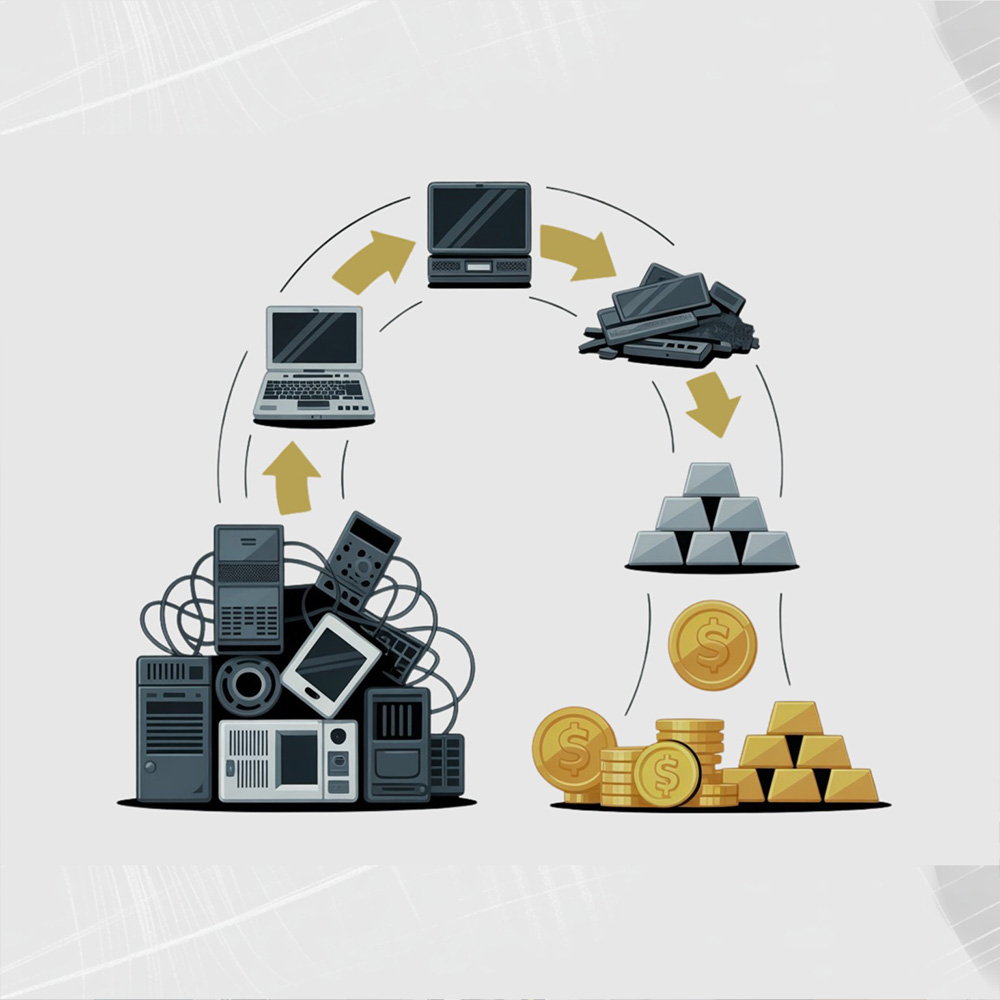
IT asset disposition (ITAD) refers to the secure and environmentally responsible process of retiring obsolete or unwanted IT equipment. Rather than simply throwing away outdated devices, businesses use ITAD services to ensure equipment is properly handled throughout the disposal process.
A comprehensive ITAD program typically includes:
- Asset inventory and tracking
- Data destruction and sanitization
- Equipment collection and logistics
- Refurbishment and remarketing
- Electronics recycling
- Compliance documentation
- Environmental reporting
- Asset value recovery
The goal of ITAD is to minimize risk, recover value, and ensure retired equipment is processed according to industry regulations and environmental standards.
Why ITAD Matters for California Businesses
California has some of the strictest environmental and data protection regulations in the United States. Businesses that improperly dispose of IT assets may expose themselves to significant legal, financial, and reputational risks.
Key reasons organizations invest in IT asset disposition California services include:
Data Security Protection
Retired devices often contain confidential information such as customer records, employee data, financial documents, intellectual property, and business communications. Improper disposal can lead to data breaches and regulatory violations.
Professional ITAD providers use certified data destruction processes to ensure information cannot be recovered.
Regulatory Compliance
Many industries must comply with regulations related to data privacy and information security. Proper ITAD procedures help businesses maintain compliance by documenting data destruction and disposal activities.
Environmental Responsibility
Electronic waste contains materials that can be harmful to the environment when disposed of improperly. ITAD providers ensure equipment is recycled responsibly and diverted from landfills whenever possible.
Financial Value Recovery
Many retired devices still have market value. Through refurbishment and resale programs, businesses can recover a portion of their original investment while reducing disposal costs.
Understanding the IT Asset Lifecycle
An effective ITAD strategy begins with understanding the complete IT asset lifecycle.
1. Procurement
The lifecycle starts when a company purchases hardware such as laptops, desktops, servers, networking devices, and storage systems.
2. Deployment
Assets are configured and deployed to employees, departments, or operational environments.
3. Maintenance
During active use, equipment undergoes updates, repairs, monitoring, and asset management.
4. Upgrade or Replacement
As technology evolves, organizations replace equipment to improve performance, security, or operational efficiency.
5. Retirement and Disposition
At the end of its useful life, equipment enters the ITAD process where it is evaluated for reuse, resale, recycling, or destruction.
Managing each phase properly improves operational efficiency while reducing risks associated with outdated technology.
Common Types of Equipment Processed Through ITAD Services
Professional ITAD providers handle a wide range of business technology assets, including:
- Desktop computers
- Laptops
- Servers
- Data center equipment
- Network switches and routers
- Storage devices
- Mobile phones
- Tablets
- Printers
- Monitors
- Telecommunications equipment
- Point-of-sale systems
- Medical technology devices
- Industrial electronics
Organizations often accumulate large quantities of retired hardware over time, making professional ITAD services an efficient solution for equipment management.
The Importance of Secure IT Disposal
One of the most critical components of ITAD is secure IT disposal.
Deleting files or formatting a hard drive does not completely remove data. Information can often be recovered using specialized software if proper destruction methods are not used.
Professional ITAD providers typically offer:
Data Sanitization
Data is permanently erased using industry-approved software processes that overwrite existing information.
Physical Destruction
Hard drives, SSDs, and storage media may be shredded or physically destroyed when maximum security is required.
Certificates of Destruction
Businesses receive documentation confirming that data destruction was completed according to established standards.
These practices help reduce the risk of unauthorized access to sensitive information.
Asset Recovery: Turning Old Equipment Into Value
Many businesses mistakenly assume retired equipment has no value. In reality, many devices retain significant resale potential.
Asset recovery involves evaluating equipment to determine whether it can be refurbished, repaired, or remarketed.
Benefits of asset recovery include:
- Reduced disposal costs
- Additional revenue generation
- Improved sustainability performance
- Extended product lifecycle
- Reduced electronic waste
Organizations with large technology refresh projects often recover substantial value through professional asset recovery programs.
Environmental Benefits of ITAD
Electronic waste is one of the fastest-growing waste streams worldwide. Responsible ITAD practices support sustainability goals by reducing landfill waste and conserving valuable resources.
Environmental benefits include:
- Recycling valuable materials
- Reducing pollution
- Conserving natural resources
- Supporting circular economy initiatives
- Lowering carbon footprints
California businesses increasingly include ITAD programs within their ESG and sustainability strategies.
A Real Business Experience With Gold’n West Surplus
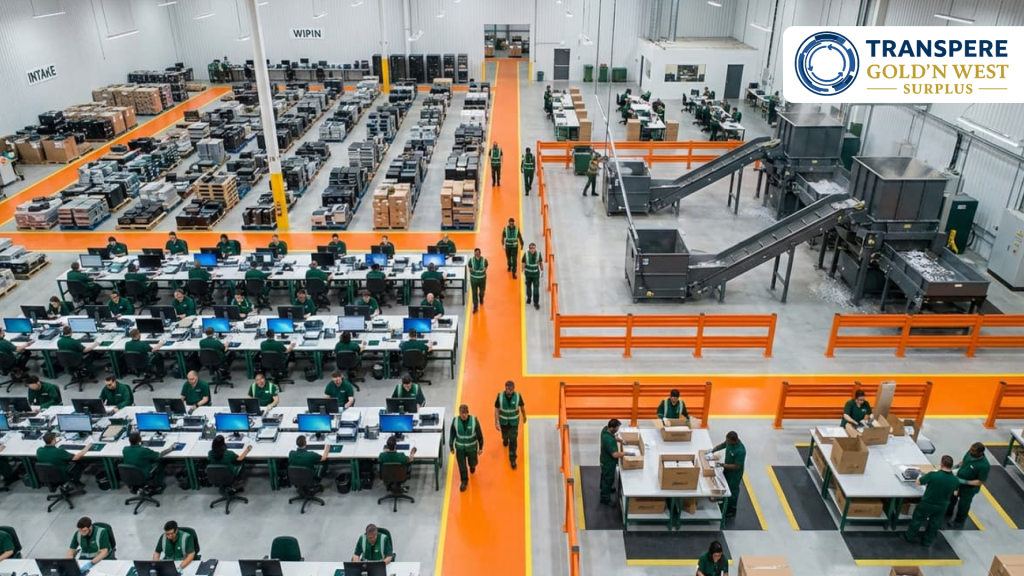
A Southern California manufacturing company recently completed a major technology refresh involving more than 200 desktop computers, laptops, and networking devices. According to the company’s IT manager, their biggest concern was ensuring sensitive business information would not be exposed after disposal. After partnering with Gold’n West Surplus, every device was inventoried, securely processed, and documented through a certified chain of custody. Several systems still retained resale value and qualified for asset recovery, helping offset project costs. The IT manager noted that having a trusted partner handle both secure data destruction and electronics recycling significantly reduced internal workload while providing confidence that compliance and environmental responsibilities were being met.
How Professional ITAD Services Improve IT Equipment Management
Strong IT equipment management extends beyond deployment and maintenance. Organizations must also plan for asset retirement.
Professional ITAD providers help businesses:
- Track retired equipment
- Maintain audit-ready records
- Improve inventory accuracy
- Reduce storage requirements
- Simplify technology refresh projects
- Strengthen cybersecurity programs
- Support sustainability objectives
This structured approach creates a more efficient and secure asset management process.
What to Look for in an ITAD Provider
Choosing the right ITAD partner is an important decision.
Consider the following factors:
Security Standards
Verify that the provider follows recognized data destruction and security procedures.
Environmental Practices
Look for companies that prioritize responsible recycling and resource recovery.
Documentation
A quality provider should offer detailed reporting and certificates of destruction.
Asset Recovery Capabilities
Providers with remarketing programs can help maximize the value of retired equipment.
Industry Experience
Experienced ITAD companies understand the unique compliance and operational requirements of California businesses.
Signs Your Business Needs ITAD Services
Many organizations wait too long before implementing a formal ITAD program.
Common indicators include:
- Storage rooms filled with old electronics
- Frequent technology upgrades
- Remote workforce equipment returns
- Data security concerns
- Sustainability reporting requirements
- Regulatory compliance obligations
- Business relocations or closures
- Data center decommissioning projects
If any of these situations apply, professional ITAD services can help streamline the process.
Conclusion
As technology continues to evolve, businesses need a reliable strategy for managing retired equipment. A comprehensive IT asset disposition California program helps organizations protect sensitive information, maintain compliance, recover value from retired assets, and support environmental sustainability goals.
From understanding the IT asset lifecycle to implementing secure IT disposal, asset recovery, and effective IT equipment management, ITAD plays a vital role in modern business operations. Partnering with an experienced provider ensures outdated technology is handled securely, responsibly, and efficiently.
For California businesses seeking to reduce risk while maximizing value from retired technology assets, professional ITAD services provide a practical and scalable solution that supports both operational and environmental objectives.
User Intent-Based FAQs
1. What is IT Asset Disposition (ITAD) and why is it important for California businesses?
IT Asset Disposition (ITAD) is the process of securely retiring, recycling, remarketing, or disposing of outdated IT equipment. It helps California businesses protect sensitive data, comply with regulations, and reduce electronic waste.
2. How does ITAD help protect confidential business data?
Professional ITAD services use certified data sanitization and destruction methods to permanently remove information from devices, reducing the risk of data breaches and unauthorized access.
3. Can businesses recover value from old IT equipment through ITAD?
Yes. Many retired computers, servers, and networking devices still have resale value. Asset recovery programs help businesses recover a portion of their investment through refurbishment and remarketing.
4. What types of equipment can be processed through ITAD services?
ITAD providers typically handle laptops, desktops, servers, storage devices, networking equipment, mobile devices, monitors, printers, and other business electronics.
5. How do I choose the right ITAD provider in California?
Look for a provider that offers secure data destruction, responsible recycling, detailed reporting, asset recovery options, and experience handling business IT equipment according to industry best practices.