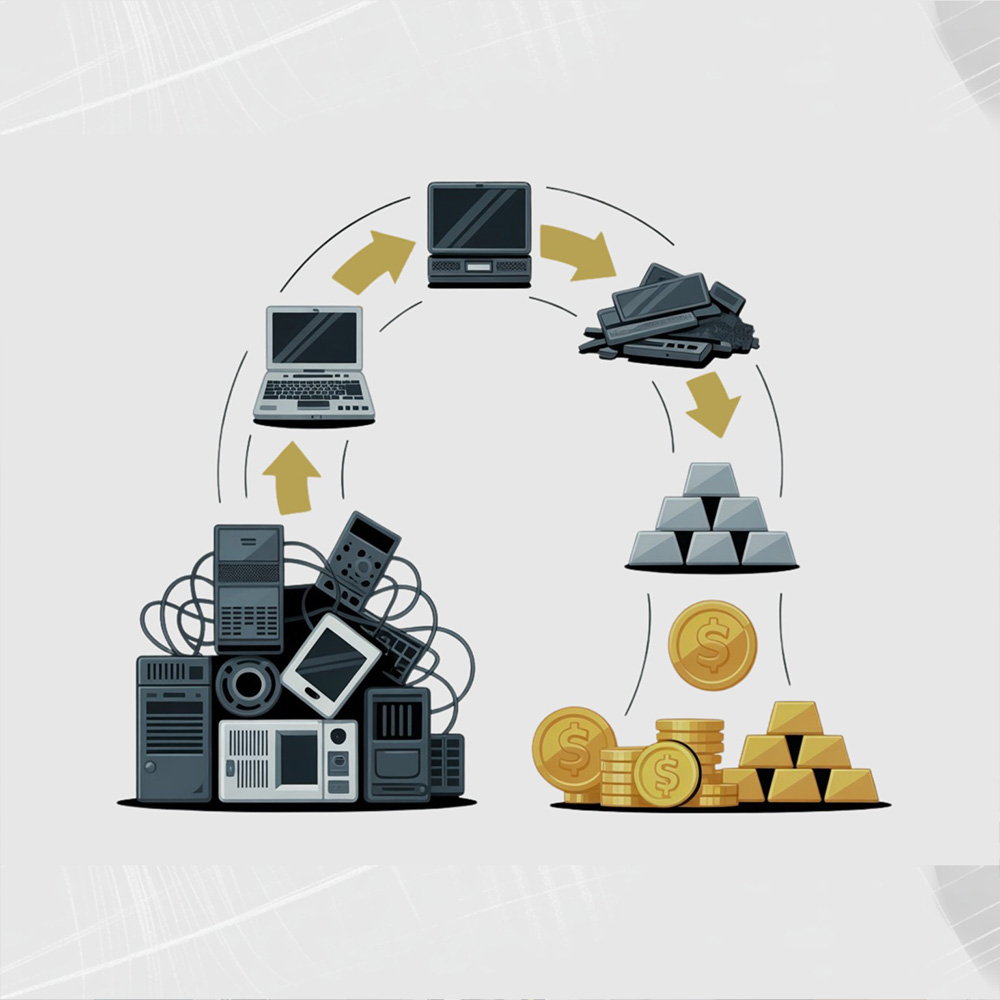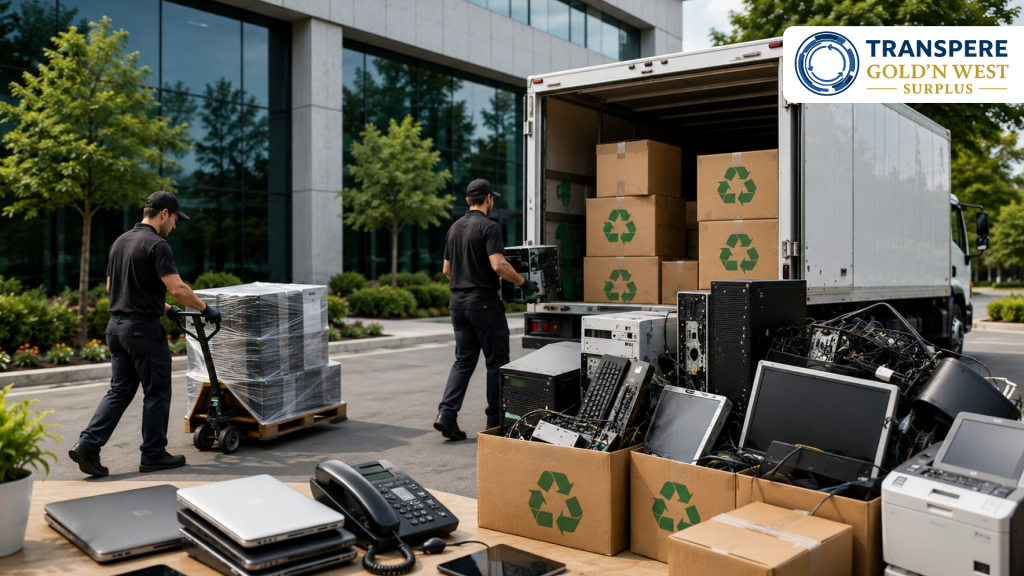
Businesses today rely on technology more than ever before. From desktop computers and laptops to servers, networking equipment, printers, monitors, and mobile devices, electronic assets are essential to daily operations. However, every piece of technology eventually reaches the end of its useful life. When that happens, companies often face a common challenge: what is the safest and most efficient way to dispose of dozens,or even hundreds,of electronic devices?
This is where a bulk electronics recycling pickup becomes an invaluable solution.
Instead of transporting equipment yourself or storing obsolete electronics indefinitely, a professional recycling provider can collect your retired IT assets directly from your location. This approach saves time, reduces operational disruptions, protects sensitive data, and helps businesses remain compliant with environmental and data security regulations.
Whether you’re upgrading office computers, relocating your business, decommissioning a data center, or clearing out years of accumulated electronics, scheduling a professional pickup simplifies the entire process while ensuring your equipment is handled responsibly.
In this guide, you’ll learn everything business owners need to know before scheduling a bulk electronics recycling pickup, including preparation tips, security considerations, compliance requirements, and best practices that make the process smooth from start to finish.
What Is a Bulk Electronics Recycling Pickup?
A bulk electronics recycling pickup is a scheduled service where a certified electronics recycler collects large quantities of retired electronic equipment directly from a business location.
Rather than making multiple trips to a recycling center, organizations can have trained professionals handle the collection, transportation, inventory, and recycling of electronic assets in one coordinated process.
Common items collected include:
- Desktop computers
- Laptops
- Servers
- Hard drives
- Network switches
- Routers
- Firewalls
- Printers
- Copiers
- Monitors
- UPS units
- Mobile phones
- Tablets
- Barcode scanners
- POS systems
- Telecom equipment
- Circuit boards
- Cables and accessories
For organizations replacing hundreds of devices during an IT refresh, a scheduled pickup is often the safest and most cost-effective option.
Why Businesses Choose Scheduled Pickup Instead of Self-Delivery
Many companies initially consider loading obsolete electronics into company vehicles and transporting them to a recycling facility themselves. While this may seem convenient for a few devices, the process becomes increasingly difficult as equipment volumes grow.
A scheduled pickup provides several important advantages.
Saves Valuable Employee Time
IT teams already manage software updates, cybersecurity, user support, cloud infrastructure, and network maintenance. Asking them to organize transportation, loading, and unloading of outdated equipment consumes valuable hours that could be spent on strategic business initiatives.
Professional pickup services allow internal teams to remain focused on their primary responsibilities while recycling experts manage the logistics.
Reduces Operational Disruption
Moving hundreds of devices through office hallways, elevators, loading docks, and parking areas can interfere with normal business operations.
A scheduled collection minimizes disruption by allowing pickups to occur:
- After business hours
- During weekends
- During office relocation
- Department by department
- According to your preferred schedule
This flexibility keeps daily operations running smoothly.
Improves Workplace Safety
Old electronics are often heavier than they appear.
Server racks, UPS batteries, CRT monitors, and storage arrays require proper lifting techniques and handling equipment. Improper lifting increases the risk of workplace injuries and property damage.
Professional recycling crews arrive with appropriate carts, pallet jacks, protective equipment, and transportation tools designed specifically for moving electronic assets safely.
Strengthens Data Security
Many electronic devices still contain sensitive business information, even after employees believe they have been erased.
These may include:
- Customer records
- Employee information
- Financial reports
- Intellectual property
- Product designs
- Login credentials
- Archived emails
- Business contracts
A professional recycling company integrates secure handling procedures throughout the pickup process, helping maintain chain of custody from your facility to the recycling center.
When Should Your Business Schedule a Bulk Electronics Recycling Pickup?
Although every organization has different technology cycles, there are several situations where scheduling a pickup is especially beneficial.
Office Technology Refresh
Businesses commonly replace computers every three to five years.
Instead of allowing old equipment to accumulate in storage rooms, organizations can schedule pickup immediately after deployment of new hardware.
This prevents unnecessary storage costs while maintaining an organized workplace.
Office Relocation
Office moves often uncover years of forgotten electronics hiding inside storage closets, conference rooms, warehouses, and server rooms.
Scheduling a recycling pickup before relocation reduces moving expenses because unnecessary equipment isn’t transported to the new office.
Businesses also begin their new workspace with cleaner, more organized IT infrastructure.
Data Center Decommissioning
Decommissioning a server room involves much more than disconnecting equipment.
Organizations must securely retire:
- Servers
- Storage arrays
- Network hardware
- Backup appliances
- Power distribution units
- Rack-mounted equipment
Professional pickup services simplify this process by coordinating logistics while ensuring equipment is transported securely for recycling or asset recovery.
Company Mergers and Acquisitions
When organizations merge, duplicate technology is common.
Businesses may suddenly have excess:
- Desktop computers
- Monitors
- Phones
- Networking hardware
- Printers
- Conference room equipment
Rather than storing obsolete devices indefinitely, companies can recycle surplus electronics responsibly while freeing valuable office space.
Warehouse and Storage Room Cleanouts
One of the most common situations occurs when businesses discover years of outdated electronics stored in closets or warehouses.
Many organizations keep retired equipment “just in case” until storage areas become overcrowded.
A scheduled pickup eliminates this clutter while ensuring electronics are processed through responsible recycling channels instead of ending up in landfills.
Preparing Your Business Before Pickup Day
Preparation plays a significant role in ensuring a smooth recycling project.
While every organization is different, following a structured process helps reduce delays and improves operational efficiency.
Create an Inventory
Before the pickup date, create a list of equipment being removed.
Your inventory doesn’t have to be perfect, but it should include categories such as:
- Number of laptops
- Desktop computers
- Hard drives
- Servers
- Monitors
- Printers
- Networking equipment
An inventory helps recycling providers prepare the appropriate transportation, staffing, and equipment required for your project.
Identify Equipment Containing Sensitive Data
Not every electronic device stores confidential information.
However, many businesses overlook storage media hidden inside equipment.
Examples include:
- Hard drives
- SSDs
- RAID arrays
- Backup tapes
- External drives
- Smartphones
- Tablets
- Multifunction printers
- Copiers
Identifying these assets beforehand allows secure data destruction procedures to be incorporated into the recycling project.
Separate Assets That May Still Have Value
Not every retired device is electronic waste.
Some equipment still retains resale or refurbishment value.
Depending on its age and condition, businesses may recover value from:
- Business laptops
- Enterprise servers
- Cisco networking equipment
- Apple devices
- Workstations
- Storage systems
Separating reusable assets before pickup allows organizations to explore IT asset recovery opportunities while responsibly recycling equipment that has reached the end of its lifecycle.
Choose an Accessible Pickup Area
Designating a staging area before pickup helps improve efficiency.
Whenever possible, consolidate equipment into one secure location that offers easy access for loading crews.
This reduces collection time and minimizes disruption throughout your workplace.
Work With a Certified Electronics Recycling Partner
Choosing the right recycling company is just as important as deciding when to schedule your pickup. A reliable recycling partner should do more than simply collect unwanted electronics, they should help protect your business, your data, and your reputation.
When evaluating a provider, consider the following factors:
Industry Certifications
Certifications demonstrate that a recycler follows recognized standards for responsible recycling and data security.
Look for companies that maintain certifications and documented processes for:
- Responsible electronics recycling
- Secure handling of IT assets
- Environmental compliance
- Data destruction procedures
- Downstream vendor accountability
Working with a certified recycler provides greater confidence that your retired equipment will be managed responsibly throughout its lifecycle.
Ask About Data Destruction Services
One of the biggest concerns for businesses is ensuring sensitive information doesn’t leave the building intact.
Before scheduling a bulk electronics recycling pickup, ask questions such as:
- Are hard drives destroyed or sanitized?
- What data destruction standards are followed?
- Is on-site destruction available?
- Will I receive a Certificate of Data Destruction?
- How is chain of custody maintained during transportation?
Clear answers to these questions help reduce risk and demonstrate due diligence during audits or compliance reviews.
Verify Business Pickup Capabilities
Every business has different operational needs.
Some projects involve collecting equipment from a single office, while others require coordinating pickups across multiple locations.
Choose a recycling partner that can accommodate:
- Large corporate offices
- Warehouses
- Medical facilities
- Educational institutions
- Government agencies
- Manufacturing facilities
- Multi-site businesses
An experienced provider will tailor the pickup schedule to minimize disruption while ensuring equipment is handled efficiently.
What Happens After Your Electronics Are Picked Up?
Many business owners assume that once the truck leaves, the recycling process is complete. In reality, collection is only the beginning of a carefully managed process.
A professional recycler typically follows several steps after pickup.
1. Receiving and Verification
Collected equipment is transported to a secure processing facility where it is received, documented, and verified against the shipment records when applicable.
2. Asset Evaluation
Each item is inspected to determine whether it can be:
- Reused
- Refurbished
- Remarketed
- Recycled
- Processed for material recovery
Whenever possible, extending the life of usable electronics helps reduce environmental impact.
3. Secure Data Destruction
Storage devices undergo approved data destruction procedures before leaving secure processing.
Depending on customer requirements, this may involve:
- Certified data wiping
- Physical hard drive destruction
- SSD destruction
- Media shredding
Proper documentation is generated for business records.
4. Material Recovery
Electronics that cannot be reused are dismantled and sorted into recyclable material streams such as:
- Aluminum
- Steel
- Copper
- Plastic
- Circuit boards
- Precious metals
- Glass
These materials are then prepared for responsible downstream recycling.
5. Documentation
Businesses often receive documentation confirming completed services, such as:
- Certificate of Recycling
- Certificate of Data Destruction
- Asset reports (when applicable)
- Inventory summaries
These records support internal compliance programs and environmental reporting.
Practical Example: How Gold’n West Surplus Helped Simplify a Bulk Pickup
One of the situations our team frequently encounters involves businesses that have postponed recycling for years because day-to-day operations always take priority.
A recent commercial project involved a company that had accumulated retired desktop computers, laptops, monitors, printers, networking equipment, and several boxes of hard drives during multiple technology upgrades. The equipment had gradually filled a storage room that employees could no longer use effectively.
Rather than attempting to transport everything themselves, the business scheduled a bulk electronics recycling pickup with Gold’n West Surplus.
Before the pickup date, our team coordinated with the company’s facilities manager to understand the estimated volume of equipment and identify devices containing sensitive data. This planning allowed the appropriate personnel and equipment to be scheduled, ensuring the collection could be completed efficiently.
On pickup day, the electronics were collected from the designated staging area with minimal interruption to normal business activities. Hard drives were separated for secure destruction, reusable assets were evaluated for potential recovery, and the remaining equipment entered responsible recycling streams.
Instead of spending several employee workdays organizing transportation and disposal, the business completed the entire project in a single scheduled visit. More importantly, they regained valuable storage space, improved workplace organization, and received documentation supporting their recycling and data security requirements.
Projects like this demonstrate that a well-planned pickup is about much more than removing unwanted electronics, it helps businesses improve operational efficiency while maintaining responsible environmental and data management practices.
Common Mistakes Businesses Should Avoid
Scheduling a pickup is straightforward, but avoiding a few common mistakes can make the project even smoother.
Waiting Until Storage Areas Are Full
Many organizations postpone recycling until offices become overcrowded.
Scheduling regular pickups throughout the year helps maintain organized workspaces and prevents unnecessary accumulation.
Forgetting About Hidden Storage Devices
Old servers, multifunction printers, photocopiers, laptops, and networking appliances may contain storage media.
Always identify these devices before collection so appropriate data destruction procedures can be performed.
Mixing Electronics With General Waste
Electronic equipment contains materials that require specialized recycling.
Placing electronics into dumpsters or general waste containers may expose businesses to unnecessary environmental and compliance risks.
Skipping Internal Asset Tracking
Keeping a simple inventory before pickup makes it easier to reconcile retired assets, update asset management records, and maintain accurate documentation.
Choosing Price Over Experience
While cost is always an important consideration, businesses should evaluate experience, security procedures, certifications, and documentation, not just the lowest quote.
A professional recycling partner delivers long-term value by helping reduce operational risk and ensuring electronics are managed responsibly.
Why Scheduled Bulk Pickups Support Long-Term Business Operations
Technology upgrades are no longer occasional events, they’re an ongoing part of modern business.
As organizations continue adopting new hardware, cloud infrastructure, and digital tools, retired electronics will continue to accumulate.
Establishing a regular bulk electronics recycling pickup schedule helps businesses:
- Maintain organized workplaces
- Free valuable storage space
- Improve IT asset management
- Support sustainability initiatives
- Protect confidential business information
- Simplify technology refresh projects
- Demonstrate environmental responsibility
- Reduce operational downtime during large cleanouts
Rather than treating electronics recycling as a one-time project, forward-thinking businesses integrate it into their ongoing asset lifecycle strategy.
Conclusion
Managing retired electronics doesn’t have to be complicated or disruptive. With proper planning and the support of a trusted recycling partner, businesses can safely remove outdated equipment while protecting sensitive information, meeting compliance expectations, and contributing to a more sustainable future.
Whether you’re upgrading office computers, relocating your business, decommissioning a server room, or simply reclaiming valuable storage space, scheduling a bulk electronics recycling pickup is an efficient way to streamline the entire process.
At Gold’n West Surplus, we help businesses throughout California simplify electronics recycling through secure pickup services, responsible processing, and dependable customer support. By combining practical logistics with responsible recycling practices, we make it easier for organizations to manage retired technology with confidence.
Frequently Asked Questions
1. What is a bulk electronics recycling pickup?
A bulk electronics recycling pickup is a scheduled service in which a professional recycler collects large quantities of retired electronic equipment directly from your business location for secure recycling, refurbishment, or responsible disposal.
2. What types of electronics can businesses recycle during a pickup?
Most business pickups include computers, laptops, servers, monitors, printers, networking equipment, hard drives, mobile devices, cables, UPS units, telecom equipment, and other IT assets.
3. How should I prepare before a bulk electronics recycling pickup?
Create an inventory of the equipment, identify devices containing sensitive data, separate assets that may still have resale value, and stage the electronics in an accessible location before the scheduled pickup.
4. Will my business receive documentation after the pickup?
Yes. Professional recyclers typically provide documentation such as Certificates of Recycling, Certificates of Data Destruction (when applicable), and inventory reports to support compliance and recordkeeping.
5. Why should businesses schedule regular electronics recycling pickups?
Regular pickups help prevent storage areas from becoming overcrowded, improve IT asset management, reduce security risks, support sustainability initiatives, and ensure retired electronics are handled responsibly.