Businesses across California constantly upgrade their technology white changing their laptops, servers, networking equipment, POS systems, and more. But what happens to outdated IT assets once they’re no longer in use? Without a structured approach, improper disposal can expose sensitive data, create compliance risks, and harm your company’s reputation.
This guide explains how business electronics recycling works in California, focusing on process, compliance, and secure handling, so your organization can manage e-waste responsibly and confidently.
What Is Business Electronics Recycling?
Business electronics recycling in California is a controlled process where organizations dispose of outdated or surplus IT equipment through certified providers. Unlike basic disposal, this approach ensures:
- Secure data handling
- Regulatory compliance
- Responsible material recovery
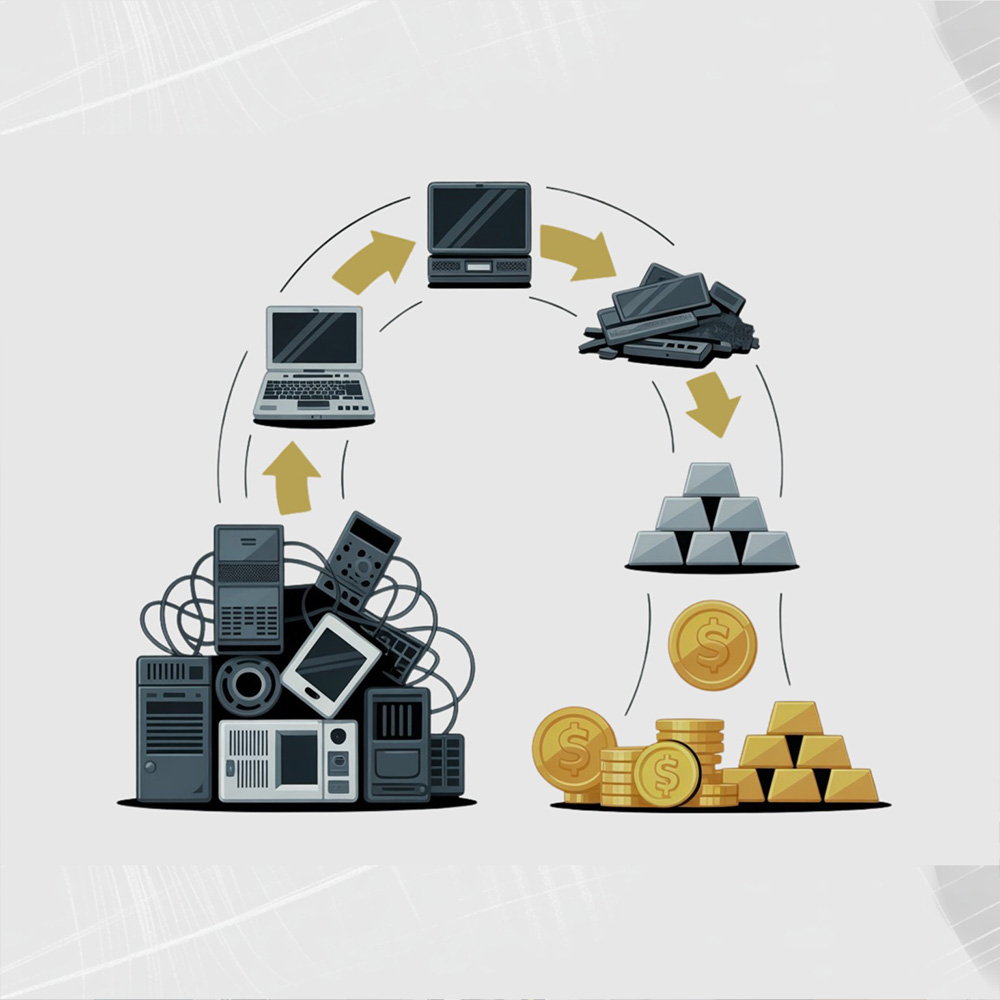
It typically includes collection, tracking, data destruction, refurbishment (if applicable), and final recycling.
Why It’s Critical for California Businesses
California enforces strict environmental and data-related regulations. Businesses must ensure that electronic waste is handled responsibly to avoid:
- Data breaches from unsecured devices
- Legal penalties due to improper disposal
- Environmental harm from hazardous materials
Additionally, organizations are increasingly expected to meet ESG (Environmental, Social, Governance) goals, making proper recycling not just a legal requirement but also a business priority.
Step-by-Step Business Electronics Recycling Process
1. Asset Assessment & Collection
The process begins with identifying the types and volume of equipment. A professional recycler coordinates:
- On-site pickups or scheduled logistics
- Secure packaging and transport
- Initial documentation for the chain of custody
This ensures your assets are tracked from the moment they leave your facility.
2. Inventory & Tracking
Once received, all items are:
- Logged into a tracking system
- Tagged or recorded by serial number
- Organized for processing
This step is crucial for maintaining accountability and transparency.
3. Data Sanitization & Destruction
Data security is the most critical part of the process. Certified recyclers follow strict standards such as NIST 800-88 to ensure data is permanently removed.
Methods include:
- Software wiping (multi-pass overwrite)
- Degaussing (for magnetic media)
- Physical destruction (shredding or crushing)
After completion, businesses receive Certificates of Data Destruction, which serve as proof for compliance and audits.
4. Sorting & Processing
Devices are evaluated to determine whether they can be reused or must be recycled:
- Working equipment may be refurbished
- Components are separated into categories (metals, plastics, circuit boards)
- Hazardous materials are handled according to regulations
5. Responsible Recycling & Material Recovery
Non-reusable items are sent through certified recycling streams where valuable materials like copper, aluminum, and precious metals are recovered.
Strict controls ensure:
- No illegal dumping
- No unsafe export of e-waste
- Compliance with environmental standards
6. Documentation & Reporting
At the end of the process, businesses receive:
- Certificates of Recycling
- Certificates of Data Destruction
- Detailed inventory reports
These documents are essential for audits, compliance verification, and internal record-keeping.
Compliance Requirements in California
To operate responsibly, businesses must align with several standards and best practices:
Certified Recycling Programs
Work with recyclers certified under recognized programs such as:
- R2 (Responsible Recycling)
- e-Stewards
These certifications ensure adherence to environmental, safety, and ethical recycling standards.
Data Security Standards
Follow guidelines like:
- NIST 800-88 for data sanitization
- Secure chain-of-custody procedures
This ensures sensitive business data is fully protected.
Environmental Regulations
California requires proper handling of hazardous electronic components, including:
- Batteries
- CRT monitors
- Circuit boards
Improper disposal can lead to fines and environmental violations.
Secure Handling: Why It Matters
Security must be maintained throughout the entire recycling lifecycle. This includes:
- Locked containers and secure transport
- Restricted-access processing facilities
- Continuous monitoring and tracking
- Verified destruction methods
For industries dealing with sensitive data,such as healthcare, finance, or legal services, these measures are essential
Common Mistakes Businesses Make
Many companies unintentionally create risks due to poor recycling practices:
- Using uncertified recyclers
- Failing to verify data destruction
- Lacking documentation
- Ignoring compliance requirements
- Disposing of e-waste through general waste channels
Avoiding these mistakes can significantly reduce legal and operational risks.
How to Choose the Right Recycling Partner
Selecting the right provider is critical. Look for:
- Industry certifications (R2 or e-Stewards)
- Proven data destruction processes
- Transparent reporting and documentation
- Strong chain-of-custody controls
- Experience handling bulk business equipment
A reliable partner will not only manage your e-waste but also protect your business.
Real Experience & Trust: Gold’n West Surplus
At Gold’n West Surplus, business electronics recycling is handled with a strong focus on security, compliance, and operational reliability. In real-world projects, we’ve worked with companies managing everything from routine IT refresh cycles to full-scale equipment decommissioning.
In one case, a mid-sized organization needed to retire a large volume of mixed IT assets under strict internal compliance requirements. The challenge wasn’t just removal, it was ensuring complete data security, accurate tracking, and audit-ready documentation. Our team coordinated secure logistics, performed detailed inventory tracking, and executed standards-based data destruction procedures. Every asset was accounted for, and the client received full documentation to satisfy internal audits.
What builds long-term trust isn’t just completing the job, it’s consistency and transparency. Businesses rely on partners who can:
- Maintain a clear chain of custody
- Provide verifiable data destruction records
- Ensure responsible downstream recycling
- Deliver accurate, audit-ready reporting
That level of reliability is what companies look for when choosing a recycling partner they can depend on repeatedly.
Connecting Recycling with IT Asset Disposition (ITAD)
For many organizations, electronics recycling is part of a broader IT Asset Disposition (ITAD) strategy. This includes:
- Managing the full lifecycle of IT assets
- Standardizing disposal processes
- Recovering value where possible
- Ensuring consistent compliance
Integrating recycling into ITAD improves efficiency and reduces risk across all operations.
Final Thoughts
Understanding how business electronics recycling works in California is essential for protecting your organization. From secure data destruction to regulatory compliance and responsible recycling, each step plays a critical role.
By working with a certified and experienced provider, businesses can:
- Safeguard sensitive data
- Meet compliance requirements
- Support environmental sustainability
- Maintain operational efficiency
A structured approach to electronics recycling isn’t just a necessity, it’s a smart business decision that protects both your data and your reputation.
FAQs
1. What is business electronics recycling in California?
Business electronics recycling is the structured process of collecting, handling, and disposing of outdated IT equipment from organizations. It ensures that devices are processed in a secure and environmentally responsible way. This includes data destruction, material recovery, and compliance with California regulations.
2. How do companies securely dispose of old IT equipment?
Companies work with certified e-waste recyclers that follow strict data security standards like NIST 800-88. These providers use methods such as software wiping, degaussing, or physical destruction to eliminate data. They also issue certificates to confirm that all sensitive information has been permanently removed.
3. Are businesses required to recycle e-waste in California?
Yes, California has strict laws governing the disposal of electronic waste, especially items containing hazardous materials. Businesses must ensure that e-waste is handled through approved recycling channels. Failure to comply can result in legal penalties and environmental risks.
4. What happens to data during electronics recycling?
Before any device is recycled, all stored data is securely erased or destroyed using industry-approved methods. This process prevents unauthorized access to sensitive business information. After completion, companies typically receive documentation verifying that data destruction was properly carried out.
5. How do I choose a certified e-waste recycling company?
You should look for providers with certifications like R2 or e-Stewards, which ensure responsible recycling practices. It’s also important to verify their data destruction methods, reporting transparency, and chain-of-custody procedures. Choosing an experienced provider helps reduce compliance and security risks.