Businesses across California replace laptops, desktops, servers, networking equipment, printers, mobile devices, and other electronics every year. While upgrading technology improves productivity, it also creates an important responsibility, disposing of outdated equipment securely and responsibly.
Choosing the wrong recycling partner can expose your organization to data breaches, regulatory issues, environmental violations, and unnecessary financial losses. On the other hand, partnering with the right e-waste recycling company California businesses trust helps protect sensitive information, ensures environmental compliance, and even recovers value from retired IT assets.
With dozens of electronics recyclers operating throughout California, knowing how to identify a qualified provider isn’t always easy. Some companies simply collect electronics for disposal, while others offer comprehensive IT Asset Disposition (ITAD), certified data destruction, equipment remarketing, and detailed reporting that supports compliance and sustainability goals.
This guide provides a practical checklist businesses can use to evaluate an e-waste recycling partner before signing a service agreement.
Why Choosing the Right Recycling Partner Matters
Electronic waste contains far more than outdated hardware. Business devices often store confidential customer records, financial documents, employee information, intellectual property, and proprietary business data.
Improper handling of retired electronics can result in:
- Data security incidents
- Compliance violations
- Environmental penalties
- Lost asset recovery opportunities
- Damage to business reputation
A professional e-waste recycling company California organizations rely on should provide more than recycling services. They should become a long-term technology lifecycle partner capable of securely managing equipment from collection through final disposition.
The following checklist will help your business evaluate potential providers with confidence.
Business Checklist for Choosing the Right E-Waste Recycling Company
1. Verify Industry Certifications
The first question every business should ask is:
Is the recycler independently certified?
Industry certifications demonstrate that a recycling company follows documented procedures for environmental responsibility, worker safety, downstream vendor management, and secure material handling.
Look for certifications such as:
- R2 (Responsible Recycling)
- ISO quality standards
- Secure data destruction processes
- Environmental management systems
A certified recycler undergoes regular audits to verify compliance with industry best practices rather than relying on self-reported claims.
Choosing a certified provider significantly reduces operational risk for businesses handling sensitive electronic equipment.
2. Confirm Secure Data Destruction Capabilities
Deleting files or formatting a hard drive does not permanently remove business data.
Before any computer, server, storage device, SSD, or mobile device leaves your organization, the recycler should provide secure data destruction options.
Ask questions like:
- Do they follow recognized data sanitization standards?
- Do they physically destroy failed drives?
- Can they provide Certificates of Data Destruction?
- Are serialized asset reports available?
Businesses operating in industries such as healthcare, finance, legal services, education, and government should consider this a non-negotiable requirement.
A qualified recycling company understands that data security begins before recycling starts.
3. Evaluate Their IT Asset Disposition (ITAD) Services
Not every electronic device should be shredded immediately.
Many retired business assets still retain resale or reuse value.
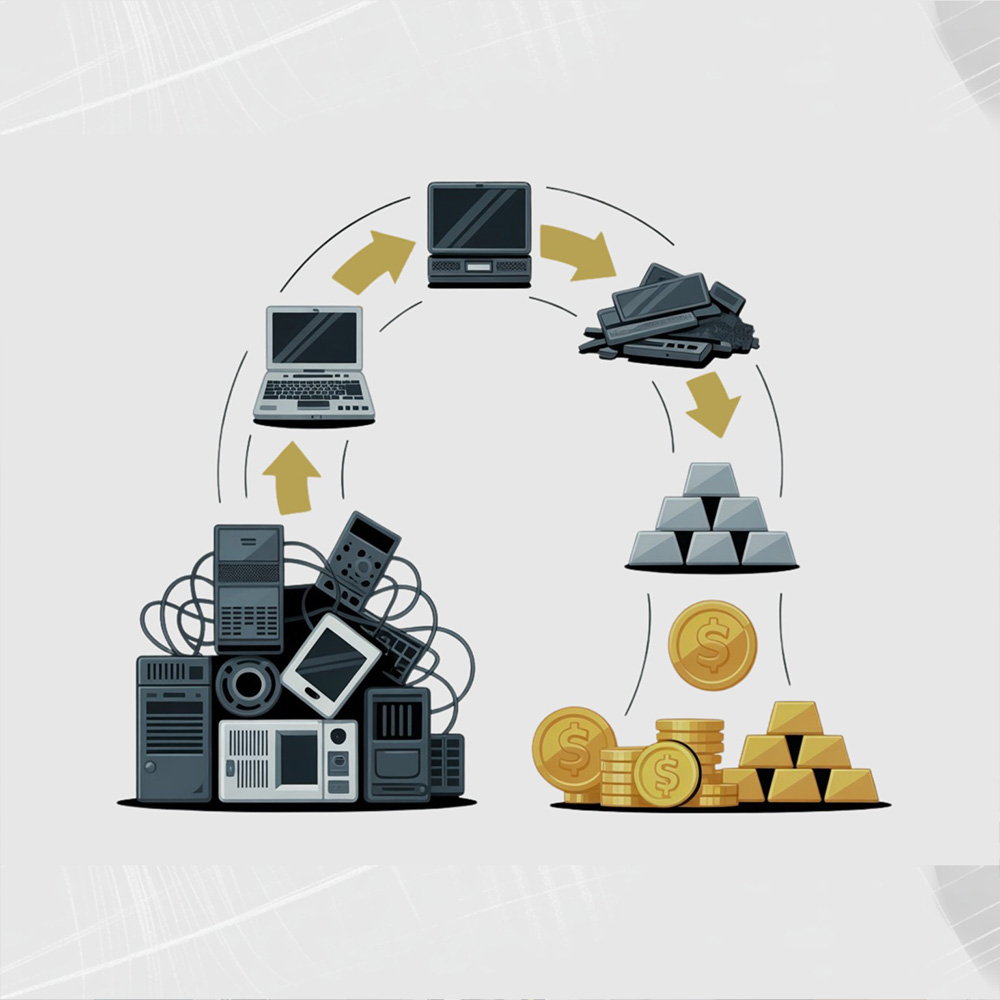
A professional ITAD provider evaluates equipment to determine whether it can be:
- Refurbished
- Redeployed
- Resold
- Harvested for parts
- Responsibly recycled
This approach helps businesses:
- Reduce disposal costs
- Recover asset value
- Extend equipment life
- Support sustainability initiatives
An experienced e-waste recycling company California businesses work with should explain these options rather than recommending destruction for every asset.
4. Review Their Chain of Custody Process
One of the most overlooked factors when selecting a recycling partner is chain of custody.
Every electronic asset should remain fully documented from pickup through final processing.
Ask potential providers:
- How are assets tracked?
- Are serialized inventories recorded?
- Who handles transportation?
- Is equipment stored securely?
- What documentation is provided after processing?
A documented chain of custody reduces opportunities for misplaced assets and helps organizations demonstrate compliance during audits.
5. Understand Their Environmental Responsibility
Responsible recycling involves much more than keeping electronics out of landfills.
Ask where materials go after processing.
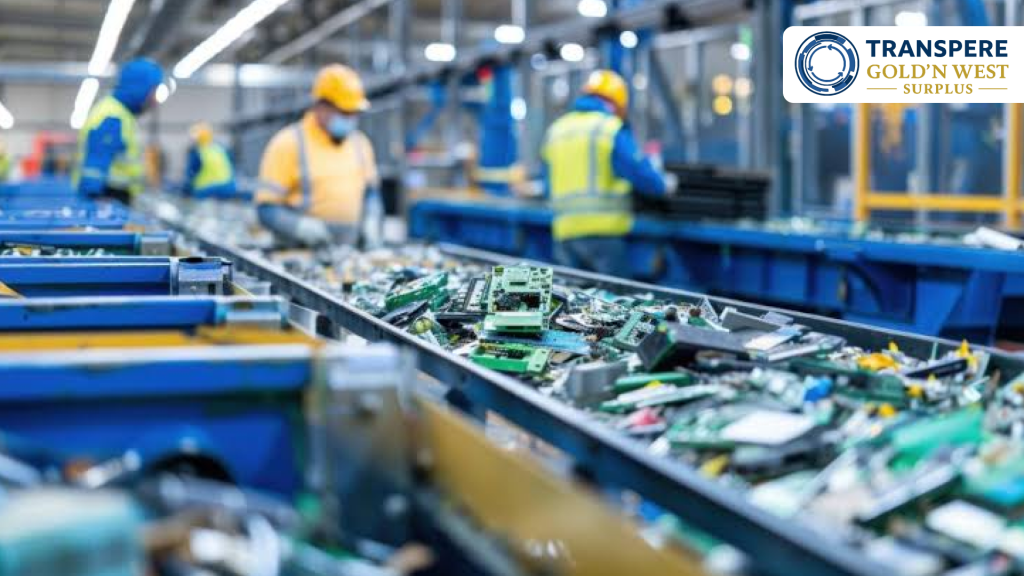
A reputable recycler should have established downstream partners that responsibly recover:
- Copper
- Aluminum
- Steel
- Circuit boards
- Precious metals
- Plastics
- Batteries
Companies should also avoid exporting hazardous electronic waste to countries lacking proper environmental safeguards.
Businesses increasingly include sustainability metrics within ESG reporting, making environmentally responsible recycling an important consideration when selecting a long-term recycling partner.
A Practical Example from Gold’n West Surplus
One experience that highlights the importance of choosing the right recycling partner involved a growing professional services company in Southern California that was relocating to a larger office. Over several years, the business had accumulated hundreds of retired desktops, monitors, networking switches, hard drives, and office electronics stored in multiple storage rooms.
Their internal IT team had planned to dispose of the equipment over time, but they quickly realized they no longer had accurate inventory records. Some devices contained sensitive client information, while others still had potential resale value. The biggest concern wasn’t simply removing the equipment, it was ensuring nothing left the facility without proper accountability.
Our team at Gold’n West Surplus began by conducting an organized on-site inventory of the retired assets. Each device was categorized, serialized where applicable, and evaluated to determine whether it qualified for refurbishment, remarketing, component recovery, or certified destruction. Storage drives that required physical destruction were processed securely, and documentation was prepared for every completed service.
During the project, several business-class laptops were found to be suitable for refurbishment rather than immediate recycling. Recovering value from those devices helped offset part of the overall project cost while still meeting the company’s security requirements. More importantly, management received complete documentation showing how every asset had been handled from collection through final disposition.
Projects like this demonstrate that selecting the right recycling company isn’t only about removing unwanted electronics. A qualified provider can help businesses improve accountability, reduce unnecessary waste, recover remaining asset value, and simplify compliance reporting, all within a single, well-managed process.
Why Experience Matters More Than Price
Many organizations compare recyclers primarily on cost. While pricing is certainly important, the lowest quote may not provide the level of service your business actually needs.
An experienced recycling partner understands how to manage:
- Large office decommissioning projects
- Multi-location equipment pickups
- Secure logistics
- IT asset tracking
- Certified data destruction
- Regulatory documentation
- Asset value recovery
When evaluating proposals, consider the overall value of the service rather than focusing solely on disposal fees. A provider with proven processes and transparent reporting can help reduce operational risks and support your long-term IT lifecycle strategy.
6. Ask About Pickup, Logistics, and On-Site Services
Convenience and security often go hand in hand when disposing of business electronics. A reliable e-waste recycling company California businesses partner with should offer flexible pickup services tailored to organizations of different sizes.
Ask questions such as:
- Do they offer scheduled pickups for businesses?
- Can they handle large office cleanouts or data center decommissioning?
- Are employees trained to safely transport IT equipment?
- Do they provide secure containers or pallets for collection?
- Is on-site data destruction available if required?
Professional logistics reduce the risk of equipment being misplaced or damaged during transportation. For businesses with multiple offices or recurring equipment refresh cycles, working with a recycler that offers consistent pickup services can simplify IT asset management throughout the year.
7. Request Detailed Documentation and Reporting
Documentation is one of the clearest indicators of a professional recycling partner.
Whether your business is preparing for an audit, maintaining internal records, or demonstrating compliance to customers, comprehensive reporting provides valuable proof that retired electronics were handled responsibly.
Ask whether the recycler provides:
- Asset inventory reports
- Serialized equipment lists
- Certificates of Data Destruction
- Certificates of Recycling
- Weight summaries
- Final processing reports
Having this documentation readily available can save significant time during compliance reviews and gives management confidence that every asset has been properly accounted for.
8. Understand Their Asset Value Recovery Process
Not every retired electronic device is at the end of its life. Many business assets still have value through refurbishment, resale, or component recovery.
A reputable recycling partner should evaluate equipment before deciding its final disposition.
Ask:
- Which devices are eligible for remarketing?
- How is equipment assessed?
- Is revenue sharing available?
- How are recovered values calculated?
- Will you receive a detailed settlement report?
Businesses often assume that all obsolete equipment must be destroyed, but in reality, many enterprise-grade laptops, servers, networking equipment, and other electronics can generate returns that help offset replacement or recycling costs.
A company that balances secure data destruction with responsible asset recovery provides greater long-term value than one focused solely on disposal.
9. Review Their Reputation and Industry Experience
Experience matters when selecting a long-term electronics recycling partner.
Look beyond marketing claims by reviewing:
- Customer testimonials
- Google reviews
- Years in business
- Industries served
- Case studies
- Client success stories
An experienced e-waste recycling company California businesses trust should demonstrate a history of working with organizations such as:
- Healthcare providers
- Educational institutions
- Government agencies
- Financial organizations
- Manufacturers
- Corporate offices
- Technology companies
Businesses with complex compliance requirements benefit from partnering with providers who understand the challenges specific to their industry.
10. Choose a Long-Term Technology Lifecycle Partner
The best recycling companies don’t simply collect old electronics, they become an extension of your IT and facilities teams.
Consider whether the company can support your business with:
- Ongoing electronics recycling
- IT Asset Disposition (ITAD)
- Secure data destruction
- Hardware destruction
- Equipment buyback
- Office relocations
- Data center decommissioning
- Sustainability reporting
As your organization grows, having a trusted partner who understands your processes reduces administrative work and ensures consistent handling of retired technology.
Common Mistakes Businesses Make When Choosing an E-Waste Recycler
Selecting the wrong recycling partner can create unnecessary risks. Here are some of the most common mistakes businesses should avoid.
Choosing Based on Price Alone
Low-cost services may not include secure data destruction, proper documentation, or certified recycling practices. Instead of focusing only on price, evaluate the overall value, security, and accountability offered.
Assuming Deleted Data Is Gone
Formatting a hard drive or deleting files does not permanently erase sensitive information. Businesses should always confirm that recognized data sanitization or physical destruction methods are used before equipment is recycled.
Ignoring Certifications
Working with a recycler that lacks recognized certifications may expose your organization to environmental, legal, and reputational risks. Certifications provide confidence that the recycler follows established industry standards.
Overlooking Documentation
Without inventory reports or certificates of destruction, it can be difficult to demonstrate compliance during audits or internal reviews. Documentation should be a standard part of every recycling project.
Waiting Until Storage Areas Are Full
Many businesses postpone electronics recycling until unused equipment accumulates in offices, warehouses, or storage rooms. Scheduling regular recycling helps improve organization, reduce clutter, and minimize security risks associated with storing retired devices.
Why Businesses Across California Choose Gold’n West Surplus
Choosing an electronics recycling partner is about more than removing unwanted equipment. Businesses need a provider that understands security, compliance, operational efficiency, and environmental responsibility.
At Gold’n West Surplus (GWS), we work with organizations throughout California to simplify the management of retired IT assets. Our services are designed to support businesses at every stage of the technology lifecycle, from equipment pickup and inventory management to certified data destruction, IT Asset Disposition (ITAD), hardware destruction, electronics recycling, and asset value recovery.
We understand that every organization has unique requirements. A small business replacing office computers has different needs than an enterprise decommissioning hundreds of servers or a healthcare provider disposing of devices containing sensitive patient information. Our team takes the time to assess each project and recommend the most appropriate solution rather than applying a one-size-fits-all approach.
By focusing on transparency, secure handling, and responsible recycling practices, we help businesses reduce risk, improve compliance, and maximize the value of retired electronics.
Final Checklist Before Hiring an E-Waste Recycling Company
Before signing an agreement, confirm that your recycling partner can answer “yes” to the following questions:
- Are they a certified electronics recycler?
- Do they provide secure data destruction services?
- Do they offer IT Asset Disposition (ITAD)?
- Is there a documented chain of custody?
- Do they follow environmentally responsible recycling practices?
- Can they provide secure pickup and transportation?
- Will they issue Certificates of Data Destruction and Recycling?
- Do they evaluate assets for resale or value recovery?
- Do they have proven experience working with businesses?
- Can they support your organization as a long-term technology lifecycle partner?
If the answer to any of these questions is “no,” it may be worth exploring other providers before making a decision.
Conclusion
Selecting the right e-waste recycling company California businesses can rely on is an important decision that affects far more than equipment disposal. The right partner helps protect sensitive data, supports environmental compliance, recovers value from retired IT assets, and provides the documentation businesses need for audits and reporting.
Rather than choosing a recycler based solely on convenience or price, evaluate their certifications, security practices, ITAD capabilities, reporting, logistics, and industry experience. A comprehensive approach ensures your organization receives reliable service while reducing operational and compliance risks.
Whether you’re replacing a few office computers or planning a large-scale technology refresh, following this checklist will help you identify a recycling partner capable of supporting your business today and into the future.
Frequently Asked Questions
1. What should I look for in an e-waste recycling company in California?
Look for certifications, secure data destruction, IT Asset Disposition (ITAD) services, documented chain of custody, environmental compliance, detailed reporting, and experience serving businesses.
2. Why are certifications important when choosing an electronics recycler?
Certifications demonstrate that a recycler follows recognized industry standards for environmental responsibility, operational processes, and secure handling of electronic equipment.
3. Can an e-waste recycling company help recover value from old equipment?
Yes. Many business electronics can be refurbished, resold, or harvested for reusable components, helping offset replacement or recycling costs.
4. What documentation should a recycling company provide?
Businesses should receive asset inventory reports, serialized equipment records (when applicable), Certificates of Data Destruction, Certificates of Recycling, and other project documentation that supports compliance and internal recordkeeping.
5. Why is IT Asset Disposition (ITAD) important?
ITAD provides a structured approach to managing retired technology by combining secure data destruction, asset tracking, refurbishment, resale, recycling, and reporting. It helps organizations reduce risk while maximizing the value of end-of-life IT equipment.
6. How often should businesses recycle electronic equipment?
Rather than waiting until storage areas become overcrowded, businesses should establish a regular recycling schedule based on technology refresh cycles, office relocations, or equipment replacement programs. Routine recycling improves security, organization, and compliance.
7. How do I know if an e-waste recycling company is right for my business?
Choose a provider that understands your industry, offers transparent processes, provides complete documentation, communicates clearly, and can scale services as your organization grows. A long-term partnership with a trusted recycler can simplify technology lifecycle management while supporting your business goals.