Every retired laptop, desktop, server, hard drive, and mobile device contains more than outdated technology, it often stores confidential business information. Customer records, financial data, employee files, intellectual property, passwords, and proprietary documents can remain on storage devices even after files are deleted. Simply recycling electronics without properly destroying the stored data can expose your organization to security breaches, regulatory penalties, and reputational damage.
Data destruction services in California have become an essential part of responsible IT asset management. Secure data destruction ensures sensitive information is permanently removed before electronic devices are recycled, refurbished, or disposed of. Whether your business is upgrading office computers, replacing data center equipment, or retiring obsolete devices, protecting your data should always come before recycling.
In this guide, you’ll learn why secure data destruction matters, the risks of improper disposal, recognized industry standards such as NIST 800-88, available data sanitization methods, and how choosing a trusted recycling partner helps protect your organization.
Why Data Security Matters During Electronic Recycling
Many businesses mistakenly believe that deleting files or formatting a hard drive permanently removes information. In reality, these actions usually remove only the file references, leaving much of the data recoverable using widely available recovery software.
Electronic devices commonly store:
- Customer databases
- Employee records
- Tax documents
- Financial reports
- Login credentials
- Medical records
- Intellectual property
- Emails and communications
- Vendor contracts
- Confidential business strategies
If these devices enter the recycling stream without secure data destruction, unauthorized individuals may recover valuable information.
For organizations handling regulated data, the consequences extend beyond financial losses. Data breaches can trigger legal obligations, compliance investigations, customer notification requirements, and long-term damage to a company’s reputation.
Businesses across California increasingly recognize that electronic recycling should always include certified data destruction before equipment leaves their control.
Common Business Risks of Improper Data Disposal
Many organizations focus heavily on cybersecurity while overlooking physical data security. However, discarded devices remain one of the easiest entry points for data theft.
Some of the most significant risks include:
Data Breaches
Recoverable hard drives can expose confidential customer information, financial records, employee data, or internal communications.
Regulatory Violations
Industries such as healthcare, finance, education, legal services, and government must comply with strict privacy regulations. Improper disposal may result in costly penalties and compliance issues.
Identity Theft
Personally identifiable information (PII) stored on old devices can be exploited for fraud if not permanently destroyed.
Intellectual Property Loss
Engineering designs, software code, research documents, product plans, and confidential business information often remain stored on retired devices.
Reputation Damage
Customers expect businesses to protect their personal information throughout the entire data lifecycle—including equipment disposal. A single incident can reduce customer confidence and negatively impact future business opportunities.
Secure data destruction significantly reduces these risks while supporting responsible electronic recycling practices.
What Are Secure Data Destruction Services?
Secure data destruction refers to the process of permanently eliminating information stored on electronic media so that it cannot be recovered using commercially available or advanced forensic methods.
Professional providers typically offer secure destruction for:
- Desktop computers
- Laptops
- Servers
- Hard drives
- Solid-state drives (SSDs)
- RAID systems
- Backup tapes
- USB flash drives
- Mobile devices
- Network equipment with onboard storage
Unlike basic deletion, professional destruction follows documented procedures, uses specialized equipment, and provides verifiable records of the destruction process.
For businesses managing large volumes of retired equipment, secure destruction also simplifies compliance documentation while reducing operational risks.
Understanding NIST 800-88 Compliance
One of the most recognized standards for media sanitization is NIST Special Publication 800-88 Revision 1, developed by the National Institute of Standards and Technology.
Rather than recommending a single destruction technique, NIST provides guidance for selecting the appropriate sanitization method based on the sensitivity of the stored information and the intended reuse of the device.
The standard generally classifies sanitization into three approaches:
1. Clear
The Clear method removes data using logical techniques that overwrite existing information. It is commonly used when devices will remain within the organization or be redeployed internally.
2. Purge
Purge techniques provide a higher level of protection by making data recovery substantially more difficult, even using advanced laboratory methods.
Examples include:
- Cryptographic erase
- Advanced overwrite methods
- Secure erase commands for supported devices
3. Destroy
Destroy physically damages the storage media so that information cannot be reconstructed.
Common destruction techniques include:
- Industrial shredding
- Crushing
- Disintegration
- Degaussing (for magnetic media)
- Physical destruction of storage platters
Selecting the appropriate method depends on your organization’s security requirements, regulatory obligations, and asset disposition strategy.
Data Sanitization Methods Businesses Should Understand
Professional data destruction services California typically offer multiple sanitization options depending on the device type and business objectives.
Software-Based Data Wiping
This method overwrites existing information with carefully designed data patterns multiple times, preventing conventional recovery.
Ideal for:
- Devices intended for resale
- Internal redeployment
- IT asset remarketing
Benefits include:
- Preserves hardware value
- Supports sustainability
- Reduces electronic waste
- Allows equipment reuse
Secure Erase Technology
Many modern SSDs and self-encrypting drives include built-in secure erase capabilities that rapidly remove stored information.
When properly executed, secure erase offers an efficient solution while maintaining device usability.
However, it must be verified to ensure successful completion.
Degaussing
Magnetic media such as traditional hard drives and backup tapes can sometimes be sanitized through degaussing.
A powerful magnetic field disrupts the stored magnetic patterns, rendering the information unreadable.
Because degaussing often disables the drive permanently, it is generally used when hardware reuse is not required.
Physical Destruction
For organizations managing highly confidential information, physical destruction remains one of the most effective solutions.
Industrial shredders reduce storage devices into small fragments, making reconstruction virtually impossible.
Many businesses choose this option for:
- Financial institutions
- Government agencies
- Healthcare organizations
- Legal firms
- Defense contractors
- Companies handling proprietary intellectual property
Professional destruction providers typically document every step of the process to maintain chain-of-custody records and compliance documentation.
Choosing Between Data Wiping and Physical Destruction
The right solution depends on your organization’s priorities.
If equipment still retains market value and will be refurbished or remarketed, certified data wiping allows businesses to securely erase information while extending the life of the device.
On the other hand, when dealing with highly sensitive information or equipment that has reached the end of its usable life, physical destruction provides the highest level of assurance.
Many organizations use both methods depending on the classification of individual assets. A knowledgeable IT asset disposition partner can help determine the most appropriate approach for each category of equipment.
Why Chain of Custody Is Critical
Secure data destruction is more than simply erasing or shredding drives. Businesses also need confidence that their equipment remains protected throughout the entire process.
A documented chain of custody tracks every asset from collection through final destruction or recycling.
This documentation typically includes:
- Asset inventory
- Collection records
- Transportation procedures
- Processing logs
- Final destruction verification
- Certificates of destruction
Maintaining this documentation supports compliance audits while providing peace of mind that sensitive information remains secure throughout the disposal process.
Why California Businesses Need Professional Data Destruction Services
California has some of the nation’s strongest privacy expectations, and businesses across industries manage growing volumes of sensitive digital information. Whether you’re a healthcare provider, financial institution, law firm, educational organization, retailer, or technology company, secure disposal of electronic devices should be a standard part of your IT lifecycle.
Professional data destruction services California help organizations:
- Protect confidential business information
- Reduce the risk of costly data breaches
- Support regulatory compliance efforts
- Safeguard customer trust
- Ensure responsible electronic recycling
- Simplify IT asset retirement projects
Instead of relying on internal staff to erase or destroy devices, partnering with an experienced provider ensures that every step—from asset collection to final processing—is handled using documented procedures and industry-recognized best practices.
How Secure Data Destruction Fits Into IT Asset Disposition (ITAD)
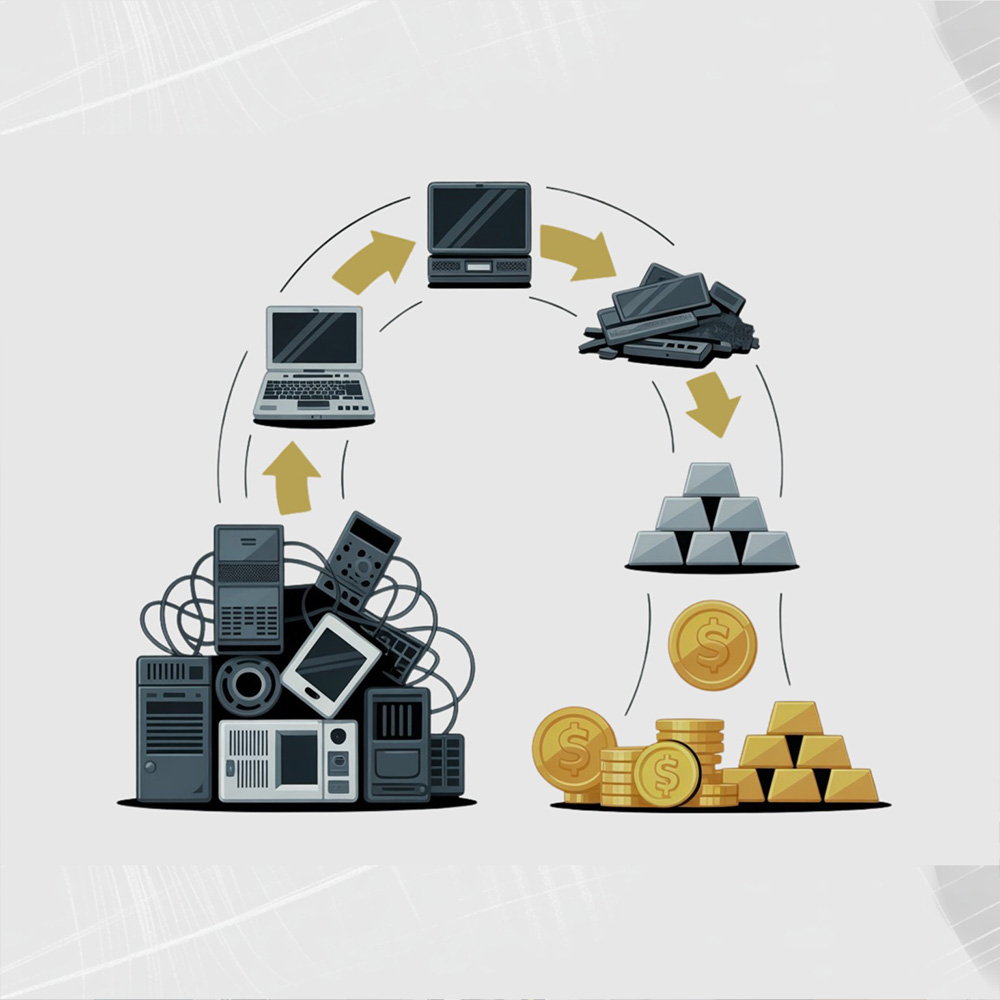
Secure data destruction is one of the most important components of an effective IT Asset Disposition (ITAD) program. While recycling focuses on environmentally responsible disposal, ITAD takes a broader approach by managing the complete lifecycle of retired technology assets.
A comprehensive ITAD process typically includes:
- Asset inventory and tracking
- Secure collection and transportation
- Data sanitization or physical destruction
- Equipment testing and evaluation
- Refurbishment for reuse when appropriate
- Responsible recycling of non-reusable equipment
- Documentation and reporting
Integrating secure data destruction into your ITAD strategy allows businesses to maximize the value of reusable equipment while ensuring that sensitive information is permanently removed before any asset changes hands.
This approach not only strengthens data security but also supports sustainability goals by extending the life of usable electronics and reducing unnecessary electronic waste.
A Practical Example: Supporting Secure Business Recycling
Consider a mid-sized professional services company in Southern California preparing to replace more than 200 office computers as part of a technology upgrade. Each device contains years of client records, financial documents, employee information, emails, and business files.
Rather than simply sending the old equipment to a recycling facility, the company partners with Gold’n West Surplus to manage the retirement process.
The project begins with a detailed inventory of the outgoing assets. Devices are collected through a secure chain-of-custody process and transported for processing. Storage media are evaluated, and the appropriate data sanitization method is selected based on the condition of each device and the organization’s security requirements.
Reusable equipment undergoes certified data wiping using industry-recognized procedures, allowing the hardware to be refurbished or responsibly remarketed. Storage devices that are damaged or contain highly sensitive information are physically destroyed before recycling.
Once processing is complete, the business receives detailed documentation, including asset reports and Certificates of Data Destruction for its records.
By following a structured process, the company reduces the risk of unauthorized data exposure, supports compliance efforts, and ensures that retired electronics are handled responsibly instead of contributing to landfill waste.
This example reflects the type of workflow many organizations look for when selecting a trusted ITAD and electronics recycling partner.
What to Look for in a Secure Data Destruction Provider
Not every electronics recycler offers the same level of security. Before choosing a provider, businesses should evaluate several important factors.
Proven Experience
Look for a company with experience handling business electronics, enterprise IT assets, and large-scale equipment retirement projects.
Industry Best Practices
Your provider should follow recognized data sanitization standards and maintain documented procedures for secure handling and destruction.
Secure Chain of Custody
Every asset should be tracked from pickup through final processing to reduce the risk of loss or unauthorized access.
Certificates of Data Destruction
A professional provider should supply documentation confirming that storage media has been securely sanitized or destroyed.
Environmentally Responsible Recycling
Choose a recycler committed to responsible downstream recycling practices that minimize environmental impact.
Comprehensive ITAD Services
Working with one provider for data destruction, equipment remarketing, asset recovery, and electronics recycling simplifies the entire retirement process.
Common Mistakes Businesses Should Avoid
Even organizations with strong cybersecurity programs sometimes overlook physical data security. Avoid these common mistakes when retiring electronic equipment.
Assuming Deleted Files Are Gone
Deleting files or emptying the recycle bin does not permanently erase data. Information often remains recoverable without proper sanitization.
Throwing Away Old Hard Drives
Discarding storage devices without destruction creates unnecessary security risks.
Forgetting Backup Devices
Backup tapes, external drives, USB devices, and retired servers often contain the same sensitive information as production systems.
Missing Documentation
Without proper records, businesses may struggle to demonstrate compliance during audits or investigations.
Choosing Price Over Security
The least expensive recycling option may not provide the level of security, documentation, or accountability your organization requires.
Investing in professional data destruction is often far less costly than responding to a preventable data breach.
Benefits of Working With Gold’n West Surplus
When businesses choose Gold’n West Surplus for electronics recycling and secure data destruction, they gain more than equipment disposal services. They gain a partner that understands the importance of protecting sensitive information while promoting responsible environmental practices.
By combining secure data destruction with comprehensive IT asset disposition solutions, Gold’n West Surplus helps organizations:
- Protect confidential business information
- Support internal security policies
- Reduce data breach risks
- Improve compliance documentation
- Maximize value from reusable IT assets
- Responsibly recycle obsolete electronics
- Simplify large-scale technology refresh projects
Whether your business is retiring a handful of laptops or decommissioning an entire data center, following a secure and documented process helps ensure your information remains protected from beginning to end.
Final Thoughts
Electronic recycling is about much more than disposing of outdated equipment. Every retired device represents a potential source of sensitive business information that must be protected throughout the disposal process.
Partnering with a trusted provider of data destruction services California helps businesses safeguard confidential data, support regulatory compliance, and recycle electronics responsibly. From secure data sanitization and hard drive destruction to comprehensive IT Asset Disposition (ITAD) services, implementing a structured approach reduces risk while supporting long-term business security.
If your organization is planning a technology refresh, office relocation, or equipment upgrade, now is the time to evaluate how your retired electronics are being handled. Secure data destruction isn’t simply a best practice, it’s an essential step in protecting your business, your customers, and your reputation.
Ready to Protect Your Business Data?
When it’s time to retire outdated IT equipment, don’t leave sensitive information to chance. Gold’n West Surplus provides secure data destruction, IT Asset Disposition (ITAD), and responsible electronics recycling services designed to help businesses protect confidential information while meeting their sustainability goals.
Contact our team today to discuss your project and learn how a secure, documented disposal process can help safeguard your organization from unnecessary risk.
Frequently Asked Questions
1. Why are data destruction services important before recycling electronics?
Secure data destruction permanently removes sensitive information from storage devices before they are reused or recycled, helping prevent data breaches and unauthorized access.
2. What is the difference between data wiping and hard drive destruction?
Data wiping uses certified software to erase information while allowing the device to be reused. Hard drive destruction physically destroys the storage media, making data recovery virtually impossible.
3. What is NIST 800-88?
NIST 800-88 is a widely recognized guideline for media sanitization that outlines best practices for securely clearing, purging, or destroying data stored on electronic devices.
4. Can deleted files still be recovered?
Yes. In many cases, deleted or formatted drives still contain recoverable information until proper data sanitization or physical destruction is performed.
5. What documentation should businesses receive after data destruction?
A professional provider should supply asset inventories, chain-of-custody records, and a Certificate of Data Destruction confirming that data was securely sanitized or destroyed.